If you have ADHD, you already know that "just put down your phone" is not helpful advice. It ignores what is actually happening in your brain. The scrolling, the endless tabs, the 11 hours of screen time your phone reports at the end of every week. None of it is a lack of willpower. It is your brain chasing the dopamine it knows it can find on that screen.
These eight strategies do not ask you to try harder. They are designed for the way your brain actually works. Each one addresses a specific ADHD mechanism like low dopamine, task switching difficulty, or time blindness. Pick one. Try it today. That is all you need to do.
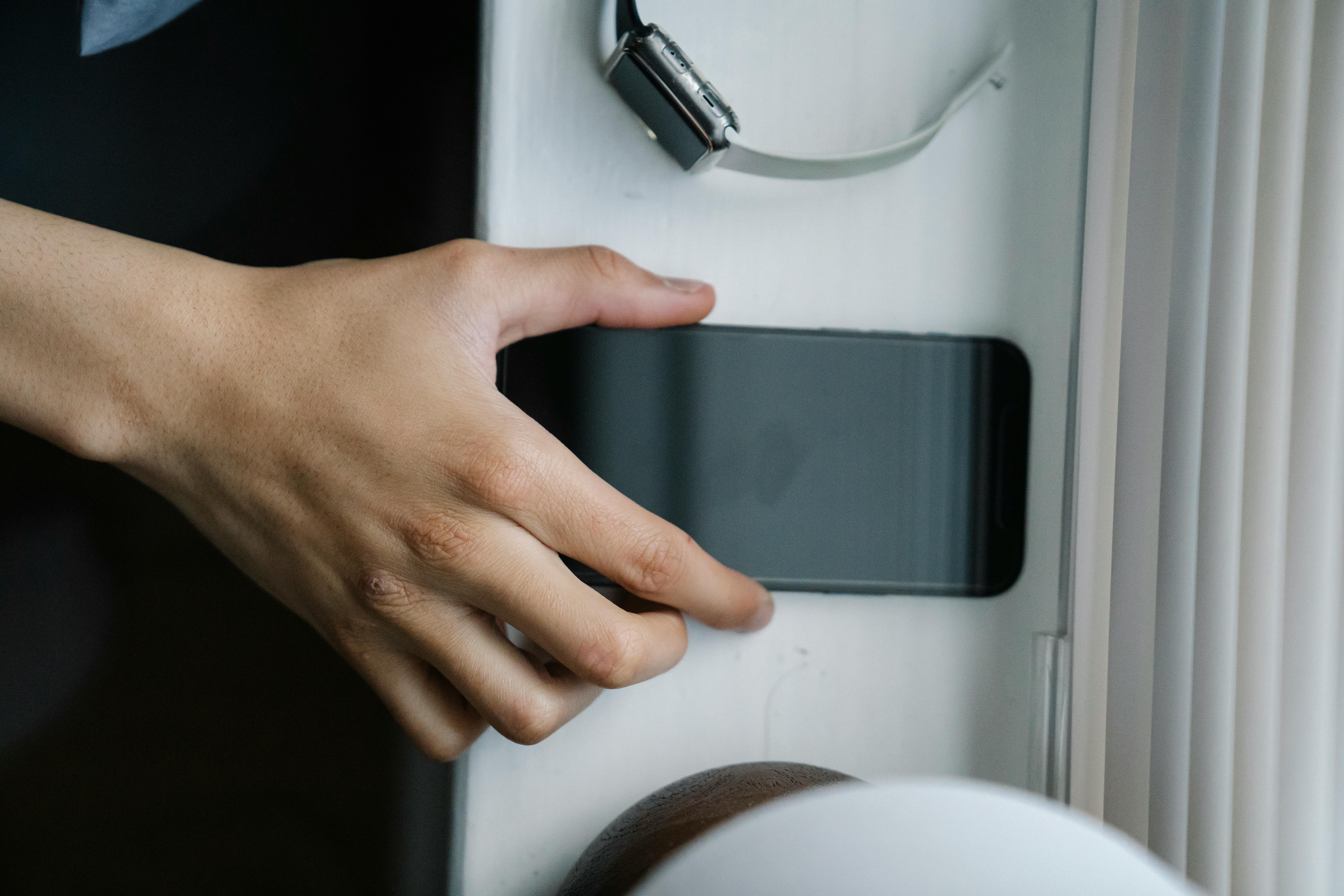
Photo: Eren Li / Pexels
Why "Just Limit Your Screen Time" Does Not Work for ADHD
Standard screen time advice assumes a neurotypical brain that can weigh long-term consequences, feel satiety after moderate use, and stop because it decides to. For ADHD brains, the equation is different. Dopamine is scarce. Your phone delivers it instantly, predictably, and with zero initiation effort. Research suggests that individuals with ADHD are more vulnerable to problematic smartphone use, not because they lack discipline but because the brain's reward circuitry responds differently to intermittent reinforcement.
Reality Check
Telling yourself "I will just check one thing" and emerging two hours later is not a character flaw. It is a predictable outcome of how your brain processes reward cues.
The Strategies
1. Use a Physical Barrier Instead of Discipline
If your phone is within arm's reach, your ADHD brain will reach for it. That is not a judgment. It is physics. The solution is not to strengthen your willpower. It is to put distance between you and the device.
Put your phone in another room during focus blocks. Use a cheap physical lockbox with a timer. Give your phone to someone else in your household during work hours. When the friction to pick it up is high enough, your brain will stop trying and redirect to what is in front of you.
2. Replace the Trigger, Not the Screen Time
You are not scrolling because you love scrolling. You are scrolling because your brain is bored, anxious, or avoiding something harder. If you remove the phone without replacing what it does for you, the craving will escalate.
Identify the feeling right before you reach for your phone. Boredom? Put a fidget toy beside your keyboard. Anxiety? Keep a breathing exercise pinned to your home screen. Task avoidance? Write down the next single step on a sticky note and stick it over your screen.
3. Set a Phone Curfew That Starts 90 Minutes Before Bed
Blue light exposure and late-night stimulation worsen ADHD sleep problems, which in turn make ADHD symptoms harder to manage the next day. A 90-minute wind-down window gives your brain time to downshift.
Charge your phone in the kitchen, not your bedroom. Replace the last hour of screen time with something that requires zero executive function, like reading a physical book, listening to a familiar podcast, or doing a simple puzzle.
4. Use Grayscale Mode All Day
Color is a dopamine amplifier. Every notification badge, every bright Instagram tile, every red "1" is designed to capture your attention. Your ADHD brain is especially susceptible to these visual triggers.
Switch your phone to grayscale mode (Accessibility > Display > Color Filters on most phones). When the dopamine hits are muted visually, you will find yourself reaching for the phone less often. Many people report that their screen time drops 30 to 40 percent within the first week of grayscale.
If you have tried strategies like these and keep hitting the same walls, working with a specialist who understands ADHD can make the difference between knowing what to do and actually doing it. The directory lets you filter by location, insurance, and specialization. BrainBody Wellness Counseling in Scottsdale, AZ, lists ADHD treatment as a core specialization and is one of the providers you can find in our directory.
Find a Provider5. Batch Your Dopamine into Specific Windows
Trying to eliminate phone use entirely sets you up for failure. Your ADHD brain needs dopamine breaks. The trick is to schedule them instead of letting them happen reactively.
Set three or four 15-minute windows per day where you are allowed to scroll freely. Put them on your calendar. Outside those windows, redirect any urge to check your phone toward something that gives a different kind of dopamine, like a quick walk, a stretch, or a conversation with someone in your space.
6. Delete the Algorithm Feeds
Social media apps are designed to keep you scrolling by serving an endless stream of variable rewards. Every pull-to-refresh is a slot machine for your dopamine system. The research on intermittent variable rewards shows that this pattern is especially hard for ADHD brains to disengage from.
Delete TikTok, Instagram, and Twitter from your phone. Access them from a desktop browser only. The slight friction of opening a laptop and typing a URL is enough to reduce usage dramatically because your brain's impulsivity window closes after a few seconds.
7. Track Screen Time Without Judgment
Shame is a terrible motivator for ADHD brains. It tends to trigger avoidance, not change. Instead of downloading a punishing screen time app, use your phone's built-in screen time report once a week. Just observe. Look at the numbers without telling yourself a story about being broken.
After two weeks, patterns will start to emerge. You can then make one small adjustment. Move that one app off your home screen. Turn off notifications for that one chat group. Tiny changes compound.
8. Design Your Home Screen for Intention
Your home screen is a menu of temptations organized by someone else's priorities. Reclaim it. Remove every app except the four or five you genuinely need for communication and essential tasks. Put the rest in a folder on the second page where you have to swipe to find them.
Turn off all non-essential notifications. Each notification is a decision point for your brain, and each decision costs mental energy you need for other things. A 2024 review in the Journal of Behavioral Addictions found that reducing notification frequency was one of the most effective interventions for problematic smartphone use among young adults.
Which Strategy Fits Your Situation
| If you tend to... | Try this first |
|---|---|
| reach for your phone without realizing it | Strategy 1: Physical barrier |
| scroll when you are bored or anxious | Strategy 2: Replace the trigger |
| stay up too late on your phone | Strategy 3: Phone curfew |
| feel drawn in by colorful apps and badges | Strategy 4: Grayscale mode |
| feel deprived without phone time | Strategy 5: Batch dopamine windows |
| get stuck in social media loops | Strategy 6: Delete the feeds |
| feel shame about your screen time | Strategy 7: Track without judgment |
| open your phone without a clear purpose | Strategy 8: Design your home screen |
How to Actually Stick With One
The hardest part is not choosing a strategy. It is using it long enough to see results. Pick exactly one from the table above. Use it for two weeks before you add another. When you forget for three days in a row, which will happen, just restart. No punishment. No lecture. ADHD brains learn through repetition, not shame.
Warning
Do not try all eight at once. Each strategy works by building one new habit pathway. Adding multiple at the same time creates cognitive overload and guarantees nothing sticks.
What to Do When Nothing Clicks
If you have tried several of these strategies and your screen time has not budged, the issue may not be the strategies. Persistent difficulty regulating phone use can signal underlying conditions like untreated ADHD symptoms, sleep deprivation, or co-occurring anxiety. A therapist or ADHD coach who understands executive function challenges can help you identify the root cause and design interventions that address it.
For more structured approaches, check out our guide on breaking through task paralysis and our list of the best apps for ADHD time management that support brain-friendly productivity. If burnout is part of the picture, our article on ADHD burnout warning signs and recovery covers how to recognize and respond to it.
Solution
When strategies alone are not enough, the most direct next step is a conversation with a professional who specializes in ADHD. Find one in our directory.
Frequently Asked Questions
Does ADHD cause phone addiction?
ADHD does not cause phone addiction directly, but it creates conditions that make problematic use more likely. Low baseline dopamine, impulsivity, and difficulty with task switching all contribute to the cycle. Research in the Journal of Attention Disorders has found that adults with ADHD report significantly higher rates of compulsive smartphone use than the general population.
Can ADHD medication help with screen time?
Some people find that ADHD medication reduces the urge to seek out dopamine hits from their phone, but medication alone is rarely a complete solution. Combining medication with environmental strategies like the ones in this guide tends to produce the best results.
How much screen time is too much for someone with ADHD?
There is no universal threshold. The more relevant question is whether your screen time is interfering with sleep, work, relationships, or daily responsibilities. If you are consistently losing time to your phone that you wanted to spend on other things, that is a signal worth paying attention to.
Is it possible to use social media in moderation with ADHD?
Yes, but it usually requires intentional guardrails. Many people with ADHD find that keeping social media off their phone and using it only on a desktop computer creates enough friction to prevent compulsive checking. The key is to design the environment rather than relying on willpower.
What apps are actually helpful for ADHD phone management?
Apps that add friction are more effective than apps that track your usage. Screen time blockers, app timers with hard locks, and focus timers like Forest or Focusmate tend to work better than passive trackers because they intervene before the habit loop completes.
Pick One and Start
You do not need to fix your entire relationship with your phone today. Pick one strategy from the matchmaker table above. The one that sounds least intimidating. Try it once. Success is not mastering it. Success is trying it one time. That is a data point. Tomorrow you can decide whether to repeat it, tweak it, or try a different one. Motion is better than perfection.
Find an ADHD specialist near you - filter by location, insurance, and specialization.
This article is for informational purposes only and is not a substitute for professional medical advice, diagnosis, or treatment. Always seek the guidance of a qualified healthcare provider with any questions you may have regarding a medical condition.